Source Quick Dry Cotton Spandex Sweatpants And Hoodie Set for Gym, Yoga, and Casual Wear
Source the quick dry cotton spandex sweatpants and hoodie set for athletic and casual use. Compare 30 unisex options featuring custom logos, various sizes, and sport styles from suppliers in China.
Key considerations
Products List


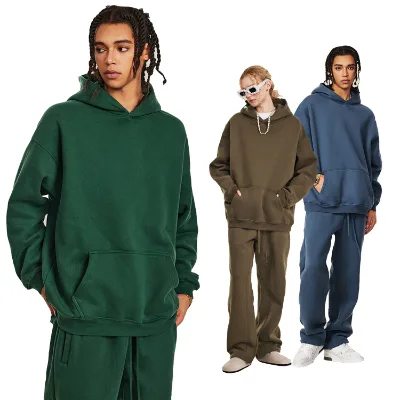


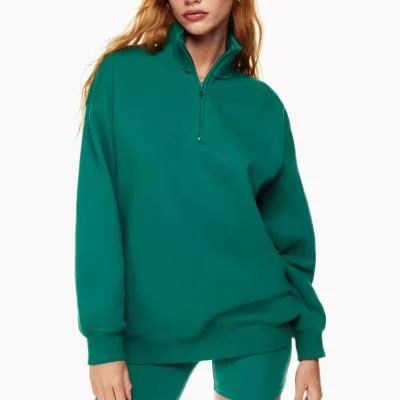

Comprehensive Sourcing Guide
Quick Dry Cotton Spandex Sweatpants and Hoodie Set Sourcing Guide
Sourcing unisex activewear sets that blend comfort with performance requires a careful balance of material science, manufacturing capability, and commercial flexibility. The modern buyer often seeks garments that transition seamlessly from gym sessions to casual streetwear, demanding fabrics that offer moisture management without sacrificing the soft hand-feel associated with natural fibers. While the core keyword suggests a specific blend of quick-dry properties, cotton, and spandex, the actual market landscape is more nuanced. Buyers must navigate a variety of material compositions, ranging from pure cotton to complex polyester-cotton blends, to find the optimal balance of durability, breathability, and cost. This guide provides a structured approach to evaluating suppliers, verifying technical specifications, and ensuring that the final product meets both functional requirements and brand standards.
The procurement process for these sets involves more than just selecting a style; it requires a deep understanding of supply chain dynamics, from fabric sourcing to final packaging. Observations from current market listings indicate a wide range of product types, including hoodies, suits, and two-piece sets, often marketed for spring and autumn seasons. These items are frequently positioned for home use, fitness, and various ball sports, indicating a versatile end-use profile. However, the diversity in product models, sizes, and customization options means that buyers cannot rely on a one-size-fits-all approach. Instead, a disciplined verification process is necessary to ensure that the supplier’s capabilities align with the buyer’s specific needs regarding volume, quality, and delivery timelines.
Product Scope and Observed Listing Signals
The current market for sweatpants and hoodie sets exhibits significant diversity in product types and intended applications. Listings frequently feature unisex designs suitable for adults, with styles ranging from casual sportswear to more structured suits. The observed product range includes items labeled as hoodies, two-piece sets, and full-length sweatpants, often designed for activities such as soccer, basketball, yoga, and general fitness. This versatility suggests that buyers should clearly define their target use case early in the sourcing process, as a garment optimized for high-intensity racing may differ significantly in construction from one intended for low-impact yoga or home lounging. The presence of both "Sport" and "Home" suitability attributes highlights the need for buyers to prioritize specific performance metrics based on their end-user’s primary activity.
Material composition is a critical differentiator in this category, with observed listings showing variations between 100% cotton, polyester-cotton blends, and other synthetic mixes. While the core keyword emphasizes cotton and spandex, actual product data reveals that many suppliers offer polyester-cotton blends or even 100% polyester options, often citing specific fabric weights such as 345 grams per square meter. Buyers must verify the exact material composition for each SKU, as the presence of spandex or the ratio of cotton to polyester directly impacts the garment’s stretch, recovery, and quick-dry capabilities. Additionally, the availability of customization options, including logo printing or embroidery, allows brands to tailor products to their identity, but this requires early coordination with the supplier to ensure design feasibility and production efficiency.
Technical Specifications to Verify
Fabric weight and composition are primary technical indicators that influence the final product’s performance and feel. Buyers should request detailed fabric specifications, including the exact percentage of cotton, polyester, and spandex, as well as the fabric weight in grams per square meter. For instance, some observed products specify a fabric weight of 345 grams, which may indicate a heavier, more durable garment suitable for cooler weather, while lighter weights might be preferred for summer or high-intensity activities. It is essential to confirm whether the fabric is warp-knitted or weft-knitted, as this affects the garment’s stretch and recovery properties. Additionally, buyers should verify the presence of any quick-dry treatments or finishes, ensuring that these claims are supported by material data sheets rather than marketing language alone.
Size ranges and fit consistency are equally critical, particularly for unisex products that must accommodate a wide variety of body types. Observed listings show size ranges extending from S to 4XL, indicating a broad market appeal, but buyers must ensure that the supplier maintains consistent grading across all sizes. The collar style, such as round neck or hooded, and sleeve length, typically full, should be confirmed against the buyer’s design specifications. Furthermore, details such as closure types, including elastic waists for sweatpants, and pattern types, such as solid colors, must be verified to ensure they meet the brand’s aesthetic and functional requirements. Buyers should also inquire about the single package size and weight, as these factors directly impact shipping costs and storage efficiency.
Compliance and Safety Documentation
While specific certification statuses are not universally listed for all products, buyers must proactively request relevant compliance documentation to ensure that the garments meet international safety and quality standards. This includes verifying that the materials used are free from harmful substances, such as azo dyes, formaldehyde, and heavy metals, in accordance with regulations like REACH in Europe or CPSIA in the United States. Buyers should ask for test reports from accredited laboratories to confirm that the fabric and finished garments comply with these standards. Additionally, if the products are marketed for children or specific age groups, additional safety checks may be required, although the observed listings primarily target adults.
Labeling and care instructions are another area where compliance is crucial. Buyers should ensure that the supplier provides accurate and clear care labels, including washing instructions, fabric content, and country of origin, as required by various international trade laws. The presence of a brand name, such as DIHAO in some listings, indicates that branding is a common feature, but buyers must ensure that their own branding does not infringe on existing trademarks. Furthermore, buyers should verify that the supplier adheres to ethical labor practices and environmental standards, as these factors are increasingly important to consumers and can impact the brand’s reputation. Requesting social compliance audits or certifications, such as SA8000 or BSCI, can provide additional assurance regarding the supplier’s manufacturing practices.
Cost Drivers and Commercial Terms
The cost of sweatpants and hoodie sets is influenced by several factors, including material composition, fabric weight, customization requirements, and order volume. Observed price ranges vary significantly, reflecting differences in quality, design complexity, and supplier location. Buyers should expect higher costs for garments with complex features, such as multiple pockets, specialized stitching, or custom dyeing. Additionally, the inclusion of quick-dry treatments or premium fabrics like high-grade cotton or spandex blends can increase the unit price. It is essential for buyers to request detailed quotations that break down the costs of materials, labor, and overhead, allowing for a transparent comparison between suppliers.
Commercial terms, including payment conditions and shipping arrangements, also play a significant role in the overall cost structure. Observed listings indicate that suppliers may offer various payment terms, such as 100% advanced payment via trade assurance or a 70% deposit with the balance upon shipment. Buyers should negotiate terms that align with their cash flow needs and risk tolerance. Shipping terms, such as FOB, EXW, or DAP, determine who is responsible for transportation costs and risks. Additionally, buyers should consider the impact of packaging choices, such as individual OPP bags or customized cartons, on shipping efficiency and cost. Lead times, including sample order lead times, should be clearly defined to ensure that production schedules align with market demands.
Supplier Qualification and Quality Control
Evaluating supplier qualifications is a critical step in ensuring the reliability and consistency of the product supply. Buyers should verify the supplier’s manufacturing capabilities, including their production capacity, quality control processes, and experience in producing similar garments. Observations indicate that suppliers are located in regions such as Shanghai and Zhejiang, China, which are known for their textile and apparel manufacturing expertise. Buyers should request information about the supplier’s factory audits, including assessments of their equipment, workforce, and management systems. Additionally, buyers should inquire about the supplier’s ability to handle customization requests, such as logo printing or embroidery, and their track record in meeting tight deadlines.
Quality control measures should be implemented at every stage of the production process, from raw material inspection to final product packaging. Buyers should establish clear quality standards and inspection criteria, including checks for fabric defects, stitching quality, and dimensional accuracy. It is advisable to conduct pre-production samples and top-of-production inspections to identify and address potential issues early. Buyers should also consider hiring third-party inspection services to conduct random checks during production and before shipment. Additionally, buyers should establish a clear process for handling defects or non-conforming products, including procedures for returns, replacements, or refunds.
Long-Term Procurement Checks
Building a sustainable and resilient supply chain requires ongoing monitoring and evaluation of supplier performance. Buyers should establish key performance indicators (KPIs) to track metrics such as on-time delivery, product quality, and responsiveness to issues. Regular communication with suppliers is essential to address any emerging challenges and to foster a collaborative relationship. Buyers should also stay informed about changes in the market, such as shifts in material costs or regulatory requirements, and adjust their sourcing strategies accordingly. Additionally, buyers should consider diversifying their supplier base to mitigate risks associated with single-source dependencies.
Continuous improvement is key to maintaining a competitive edge in the apparel industry. Buyers should regularly review their product offerings and seek opportunities to innovate, such as introducing new fabrics, designs, or customization options. Feedback from end-users and retailers should be incorporated into the product development process to ensure that the final products meet market demands. Buyers should also invest in building strong relationships with their suppliers, including joint development projects and long-term contracts, to secure better pricing and priority production slots. By adopting a proactive and strategic approach to procurement, buyers can ensure the long-term success of their sweatpants and hoodie set offerings.
FAQs
What materials are used for the sweatpants and hoodie set?
The sets are primarily made from cotton or a polyester and cotton blend. Some items specify 100% cotton or 100% polyester, while others combine both materials to ensure comfort and durability for daily wear.
Can I customize the logo on the sweatpants and hoodie set?
Yes, logo customization is available through print or embroidery methods. Buyers can request specific designs, and the supplier supports customized branding options to meet unique business requirements for bulk orders.
What is the minimum order quantity for these sets?
The minimum order quantity ranges from 10 to 500 pieces depending on the specific product model. Buyers should check individual listings to confirm the exact MOQ required for their selected style and size.
Which sizes are available for the unisex sweatpants and hoodie set?
Available sizes typically range from Small to 4XL to accommodate various adult body types. Specific models may list sizes like S or S through 4XL, ensuring a fit for most adult customers.
How long does it take to receive a sample order?
Sample orders can be supported with a lead time of 7 days. This allows buyers to verify product quality and specifications before committing to larger production runs or bulk purchasing agreements.
Where are these sweatpants and hoodie sets manufactured?
Products originate from manufacturing locations in China, specifically Shanghai and Zhejiang. These regions are known for textile production, ensuring consistent quality and efficient logistics for international buyers.
What payment terms are accepted for these orders?
Accepted payment terms include 100% advanced payment via trade assurance or a 70% deposit structure. These terms provide security for both buyers and suppliers during the transaction process.